


One of the aspects of Community Cultures’ educational offerings that excites me is the diversity of venues where I teach. Whether it’s instructing at a brewery, library, community farm or arboretum, I’ve encountered a wide array of folks of different ages, backgrounds, and interests. There are so many reasons to turn to fermentation – from preservation and nutrition to understanding food traditions and exploring unique culinary processes.
Hazelwood Community Classes
This past year I connected with Hazelwood Local, a Pittsburgh nonprofit, and taught two workshops with them. Their initiatives bring creative community programming to Hazelwood Green, and to encourage the discovery of Pittsburgh’s historic Hazelwood neighborhood. After teaching fermentation workshops for over a decade, I’ve discovered that my favorite collaborations have been with organizations that offer free classes, while also paying the instructors well. It’s rare to find these two perks in the same package, and Hazelwood Local is a Pittsburgh-based organization offering great opportunities for the community!
Check out the photos below, highlighting a few of the workshops we’ve offered in Hazelwood through Hazelwood Local.
Fermented Vegetables workshop at Community Kitchen
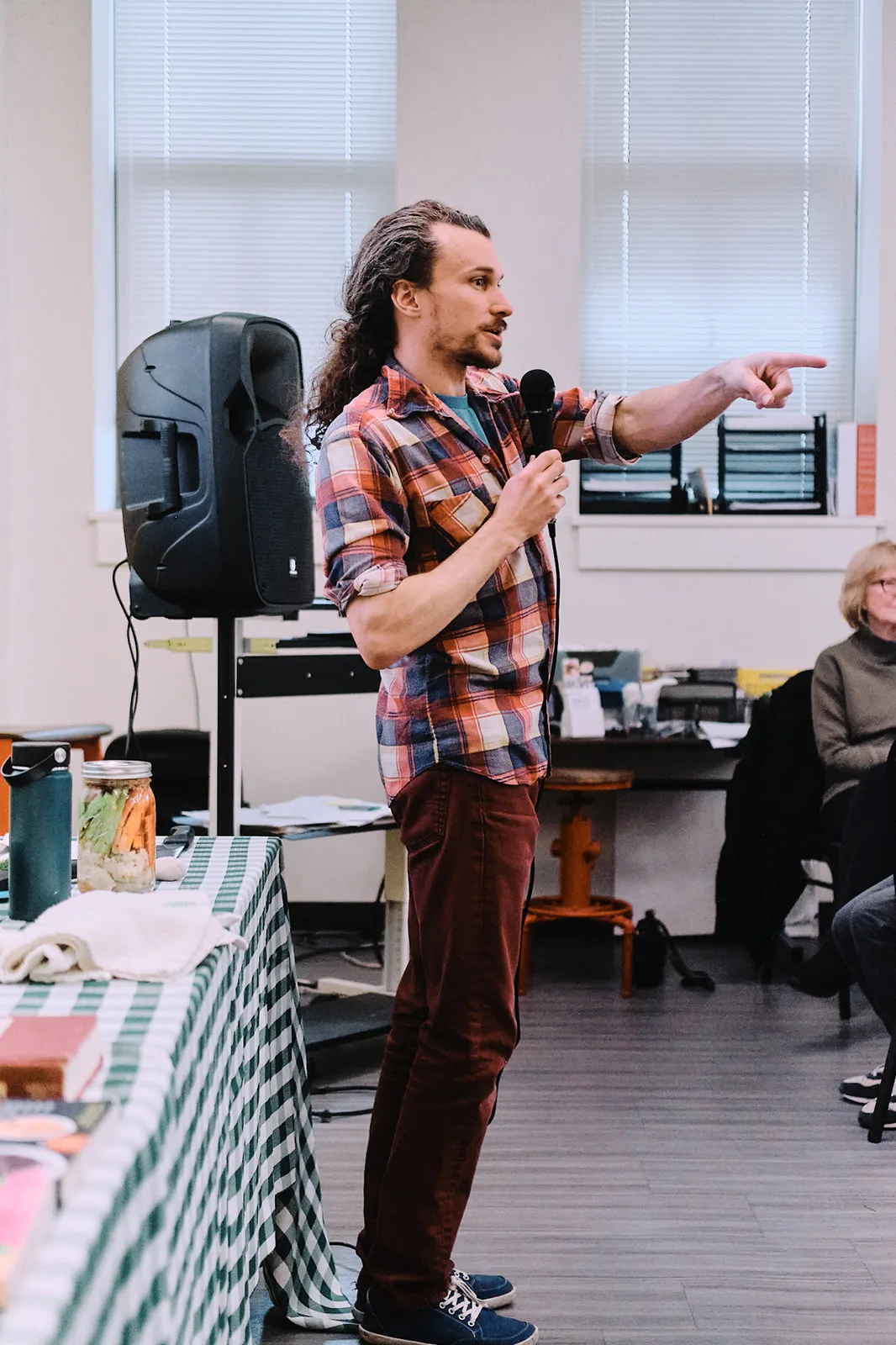
Trevor Ring kicking off the presentation component of his workshop at Hazelwood Local
Trevor Ring kicking off the presentation component of his workshop at Hazelwood Local.
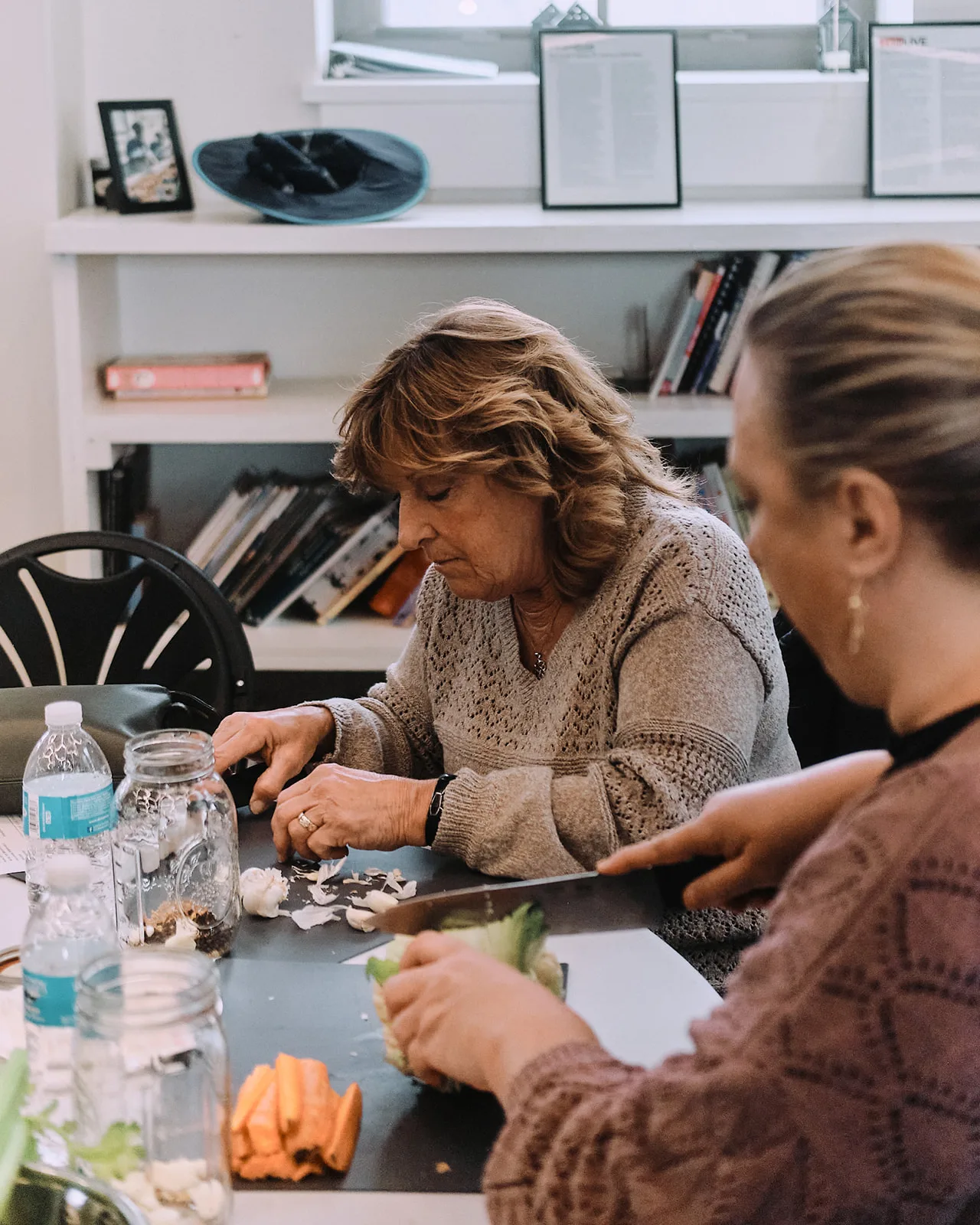
Carrots and garlic are always a great addition to your first batch of pickles
Carrots and garlic are always a great addition to your first batch of pickles.
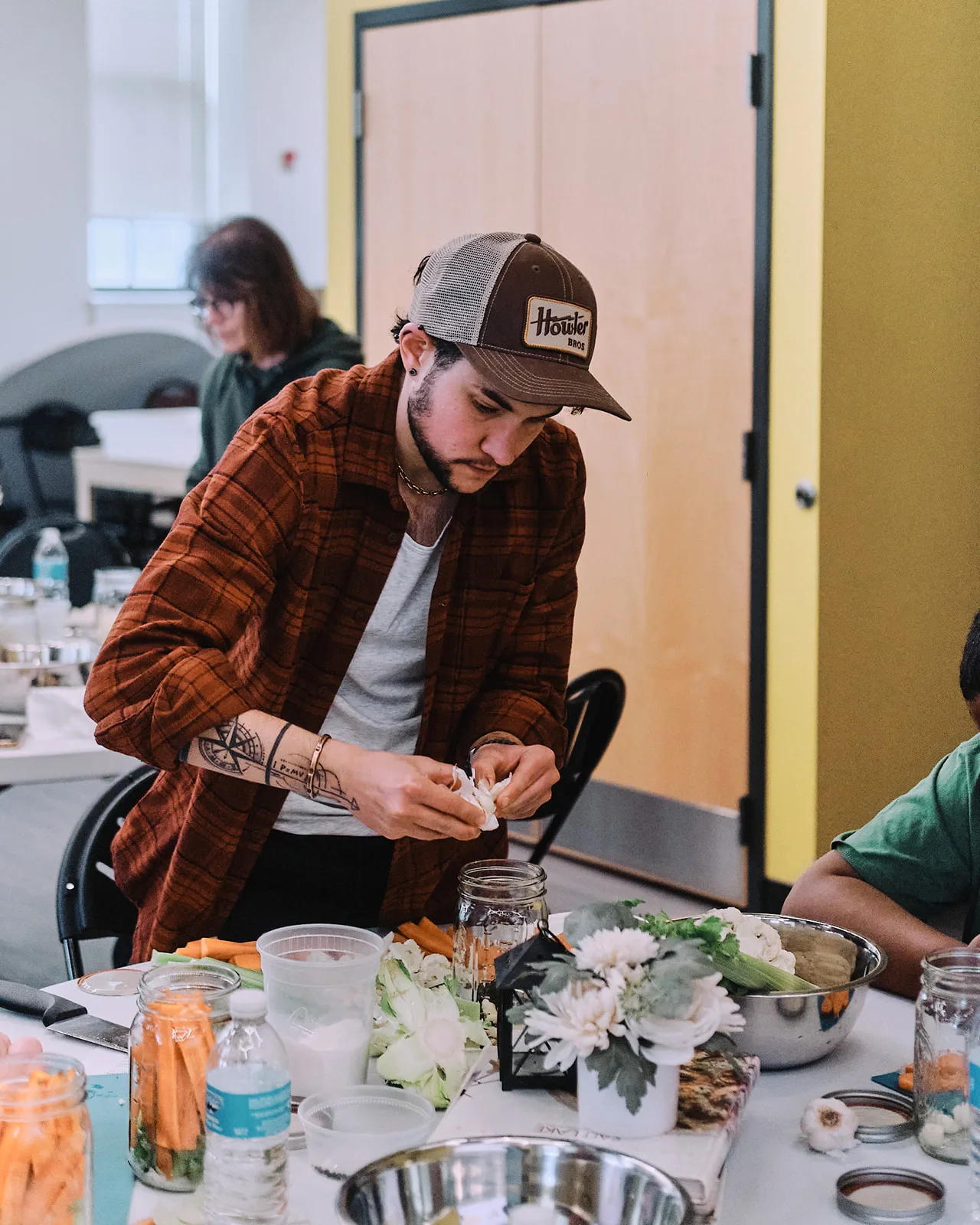
Packing jars with the chopped vegetables
Packing jars with the chopped vegetables.
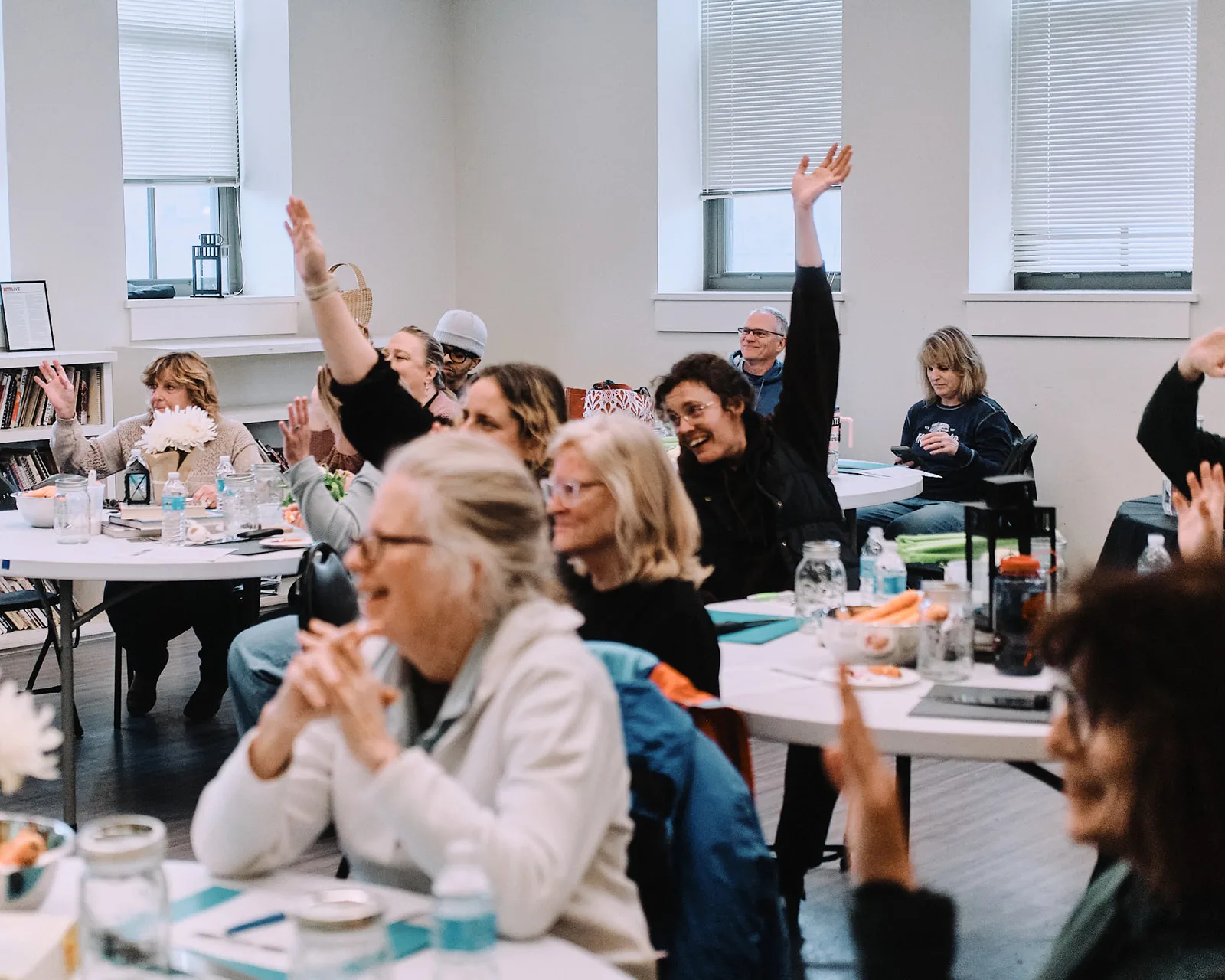
How many of you are actively fermenting by simply letting food rot in your fridge?
How many of you are actively fermenting by simply letting food rot in your fridge?
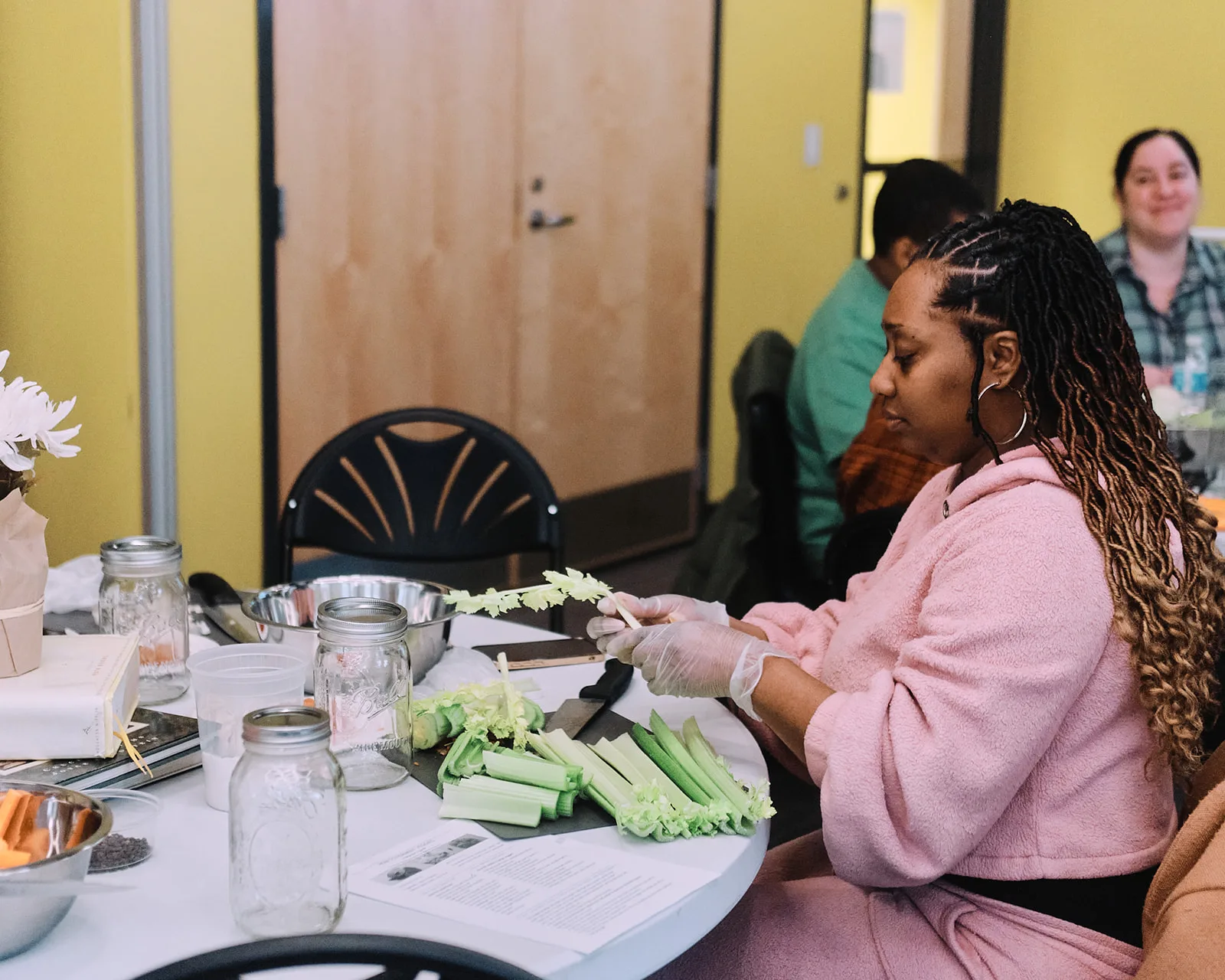
Chopping celery to go into a lacto-fermented vegetable medley
Chopping celery to go into a lacto-fermented vegetable medley.
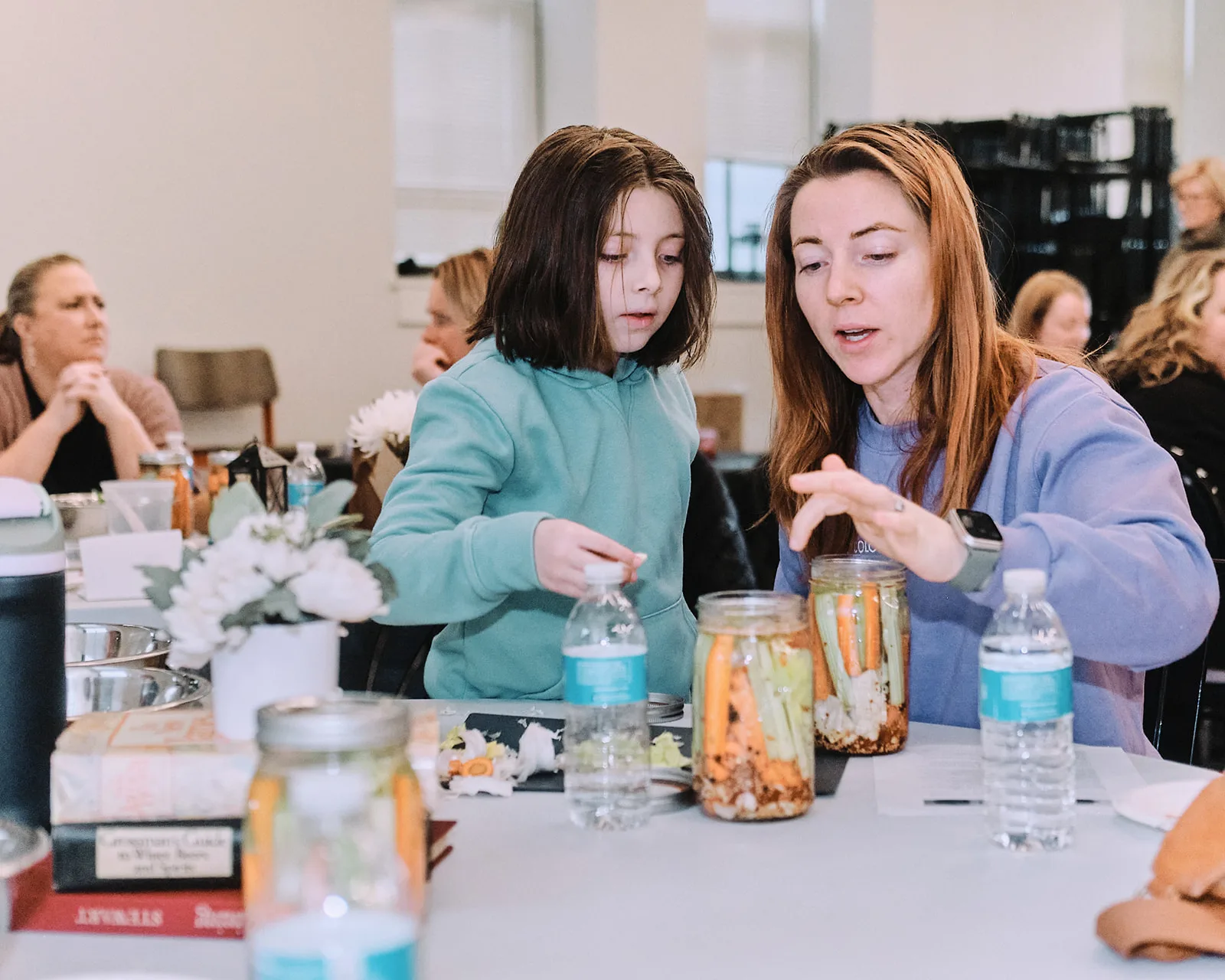
Keep the vegetables submerged! If it’s under the brine, all is fine
Keep the vegetables submerged! If it’s under the brine, all is fine.
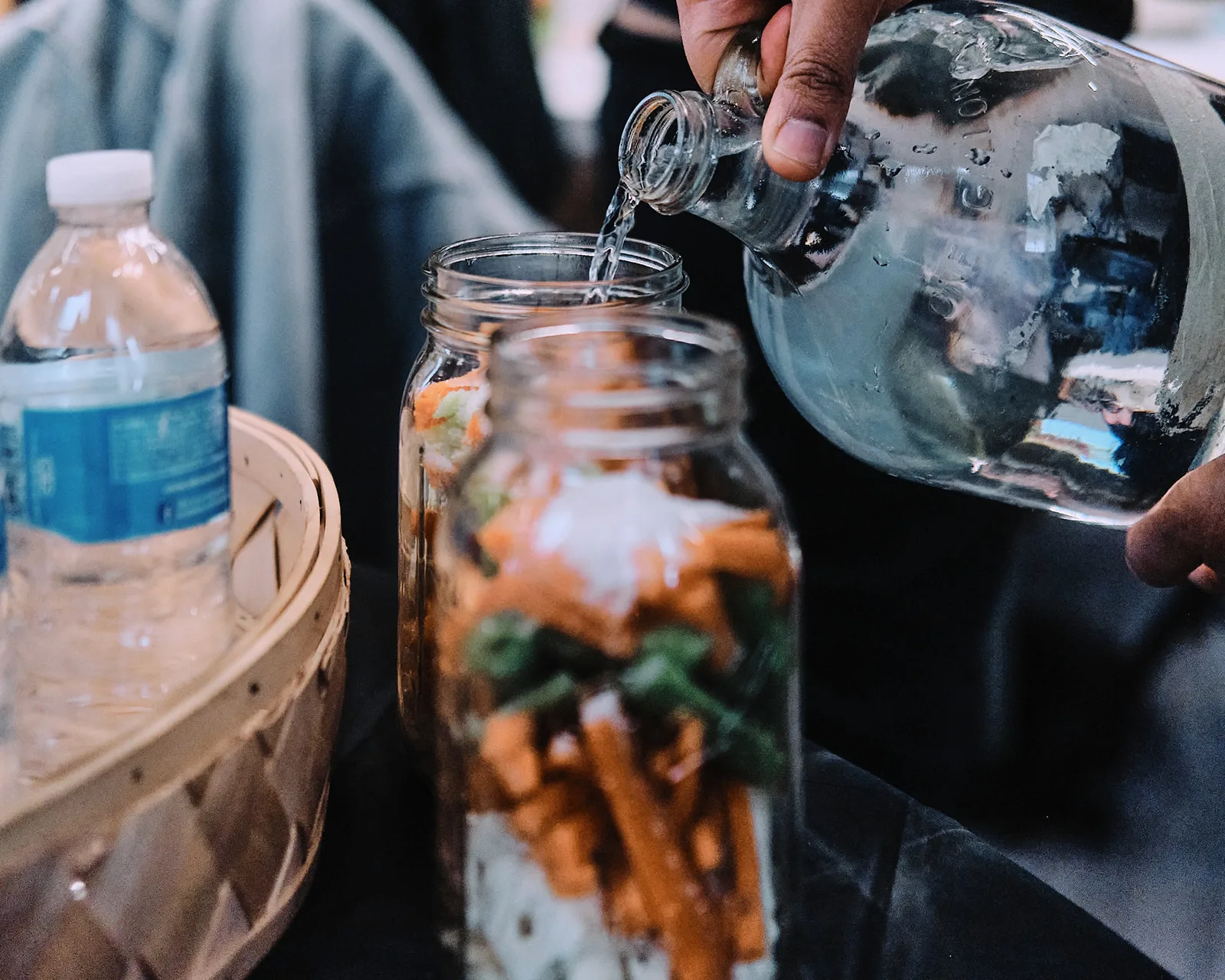
Pouring filtered water over top of the vegetables (salt has been added to create a brine to submerge the vegetables in)
Pouring filtered water over top of the vegetables (salt has been added to create a brine to submerge the vegetables in).
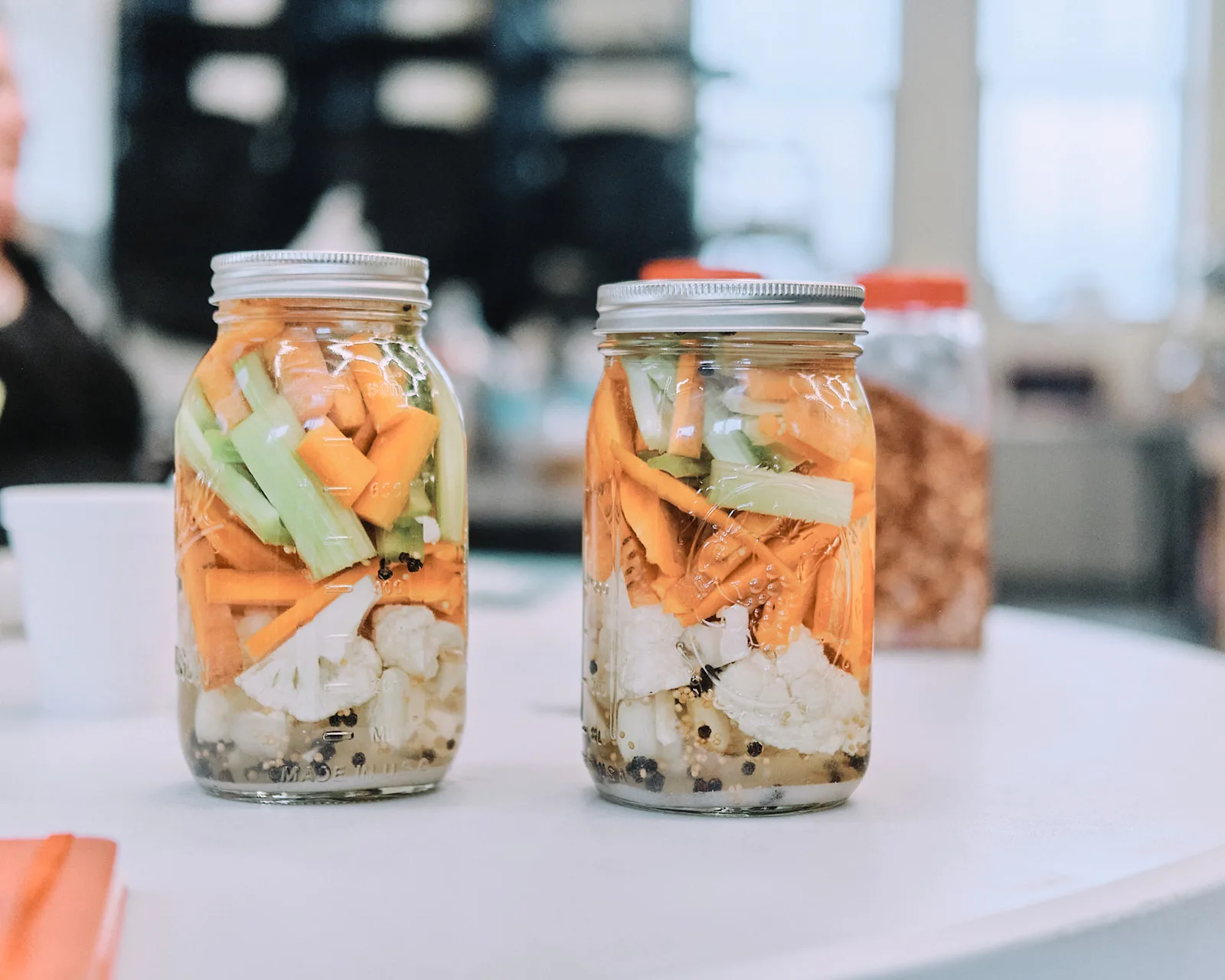
The final product. A good day’s work. Happy fermenting
The final product. A good day’s work. Happy fermenting!
Fermented Beverages: Kombucha & Wild Soda at Hazelwood Brew House
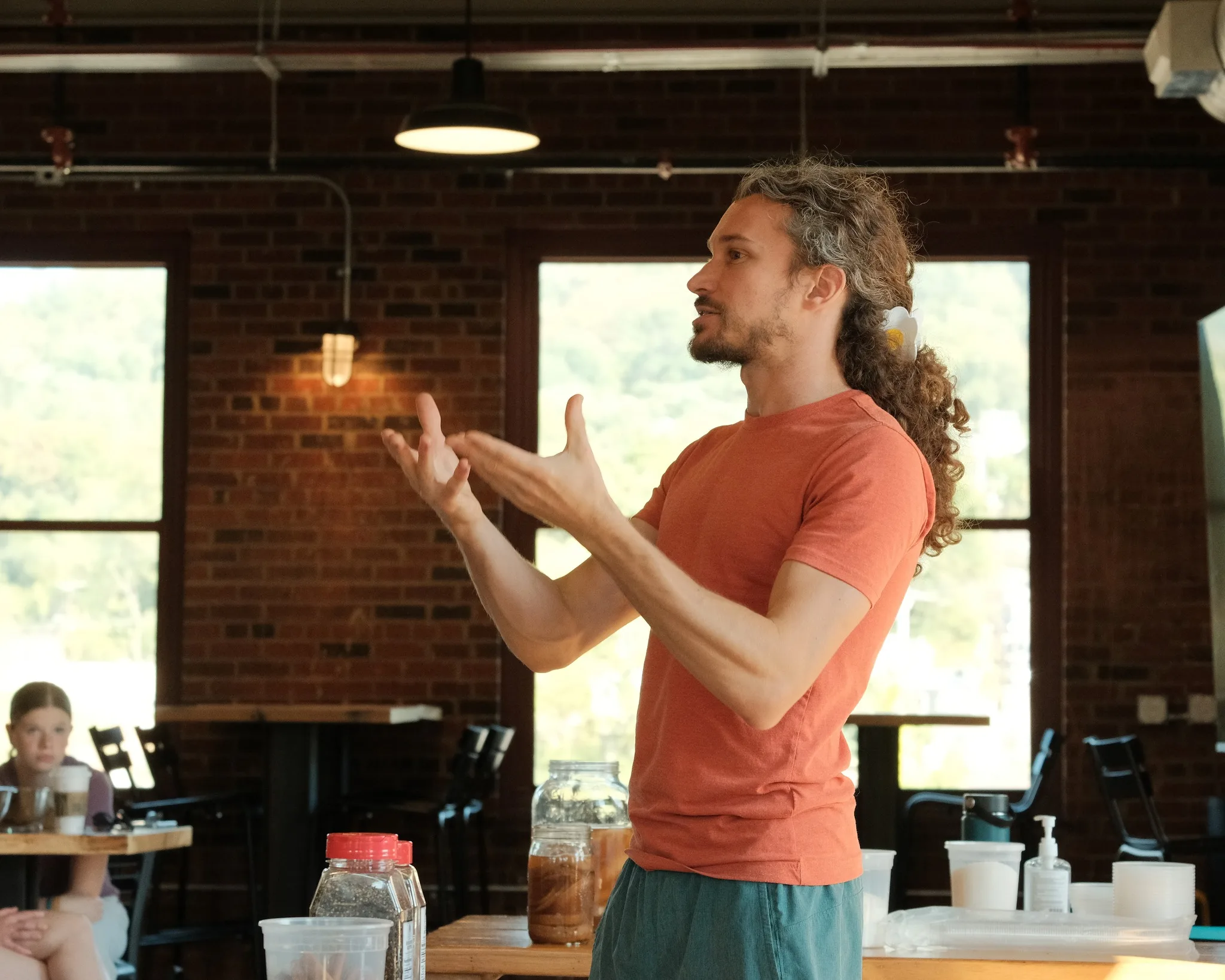
Introducing the topic – the magical world of fermentation
Introducing the topic – the magical world of fermentation.
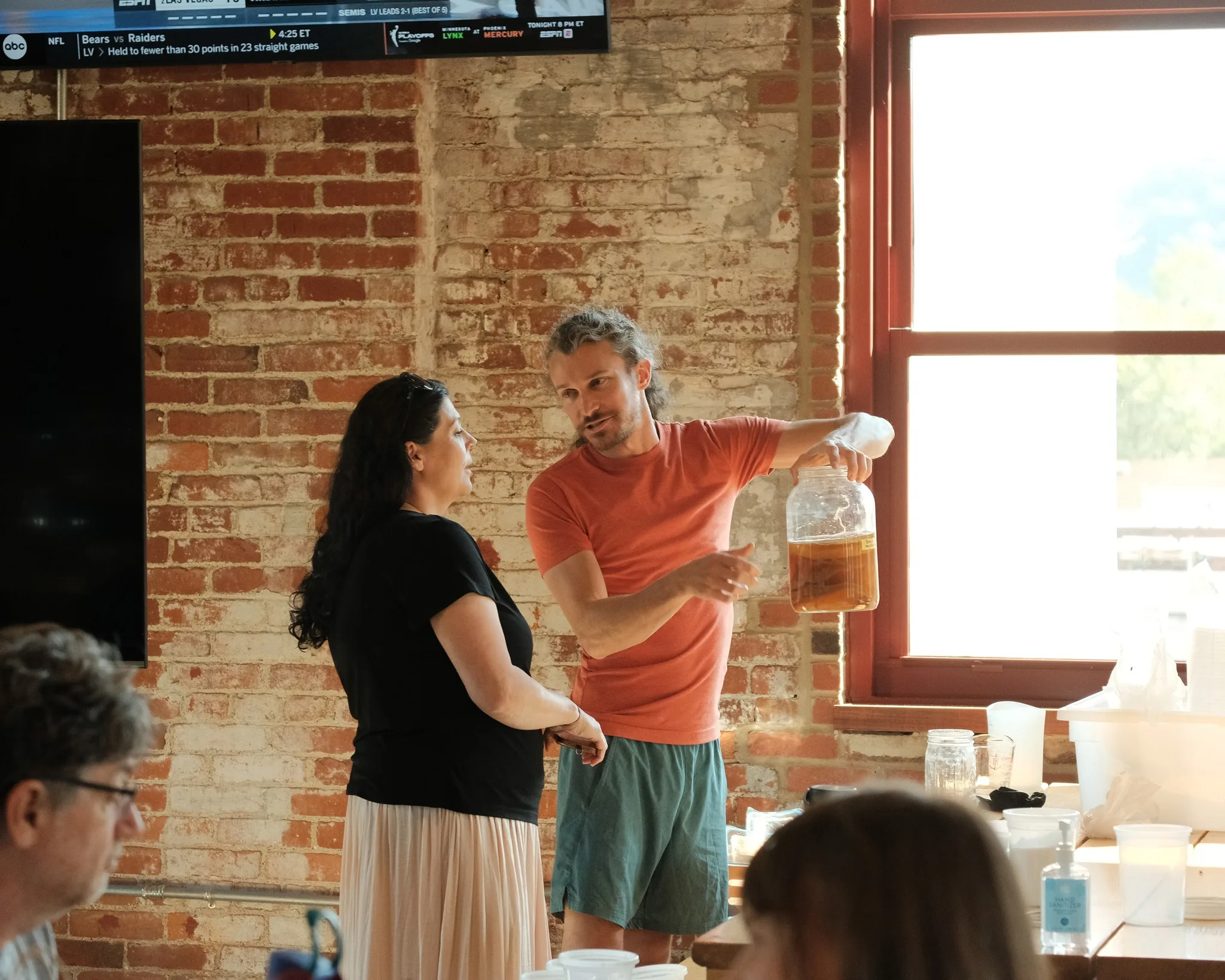
Introducing the kombucha mother, a SCOBY (symbiotic community of bacteria and yeast) that ferments sweet tea into the lovely, acidic kombucha beverage
Introducing the kombucha mother, a SCOBY (symbiotic community of bacteria and yeast) that ferments sweet tea into the lovely, acidic kombucha beverage.

Deep listening, and humoring the instructor by laughing at his bad jokes- an important quality when attending a fermentation workshop
Deep listening, and humoring the instructor by laughing at his bad jokes- an important quality when attending a fermentation workshop.
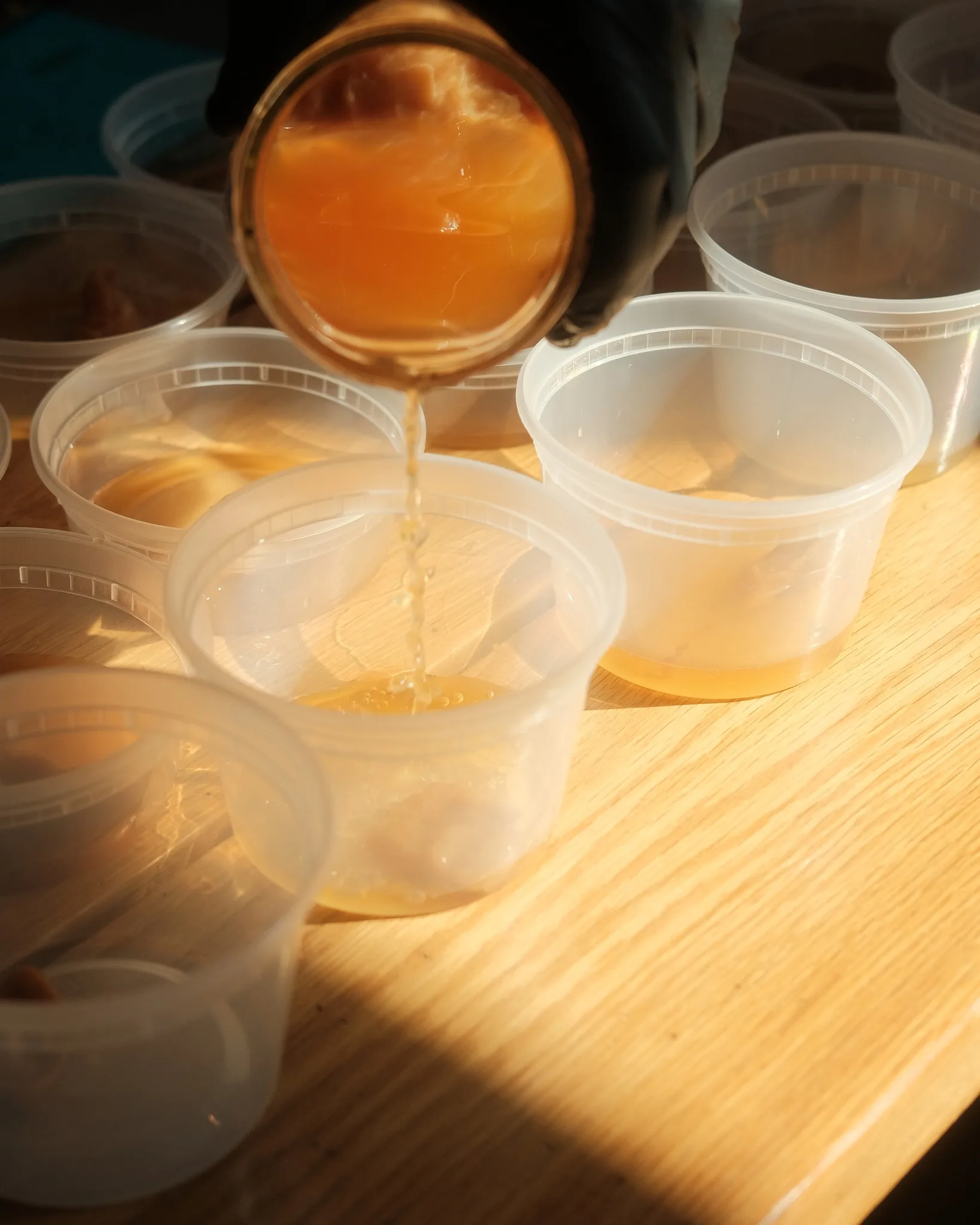
Distributing pieces of the kombucha mother so attendees can start their own batches of kombucha
Distributing pieces of the kombucha mother so attendees can start their own batches of kombucha.
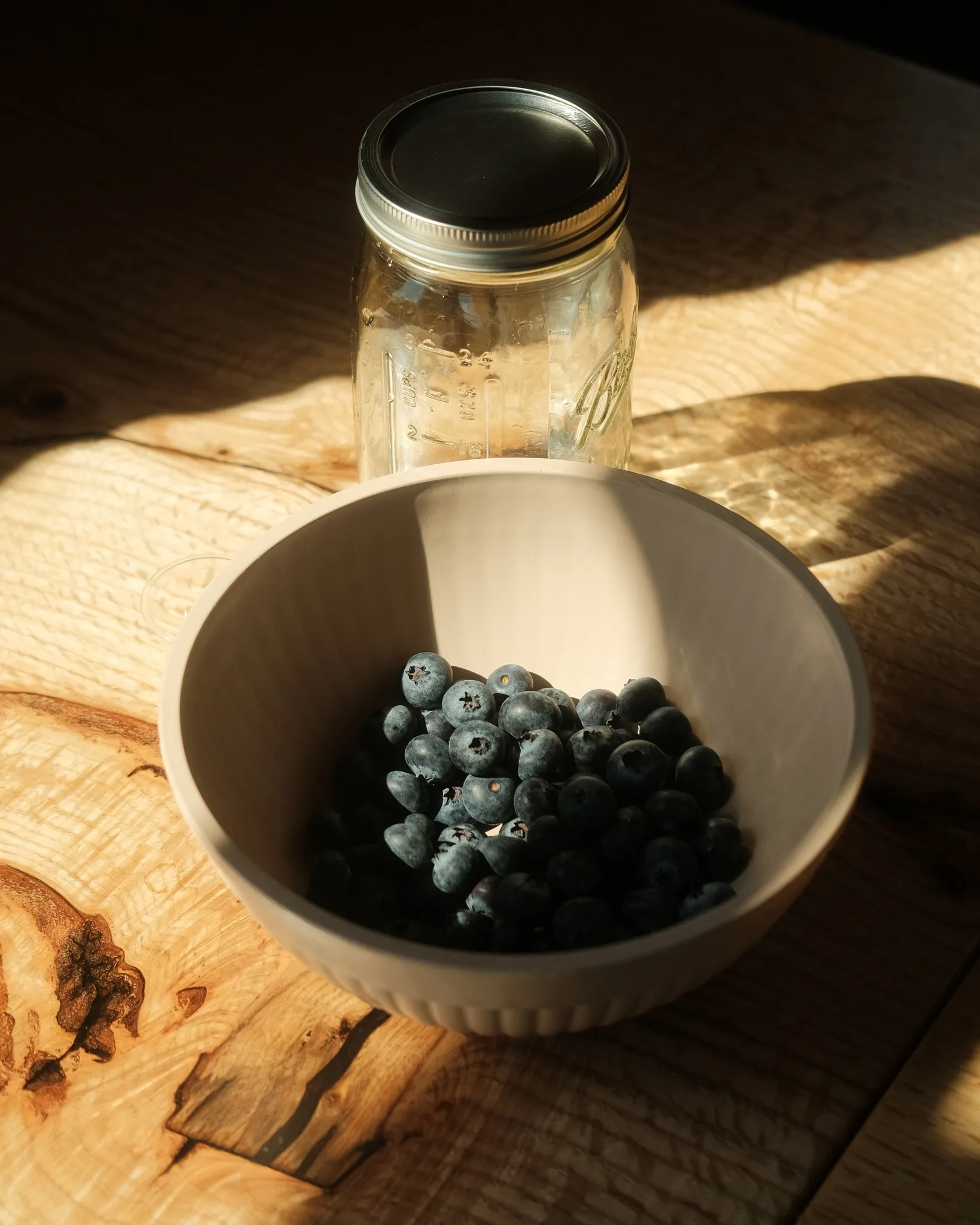
Berry spotlight- blueberries! They make a reliable and tasty wild fermented soda
Berry spotlight- blueberries! They make a reliable and tasty wild fermented soda.
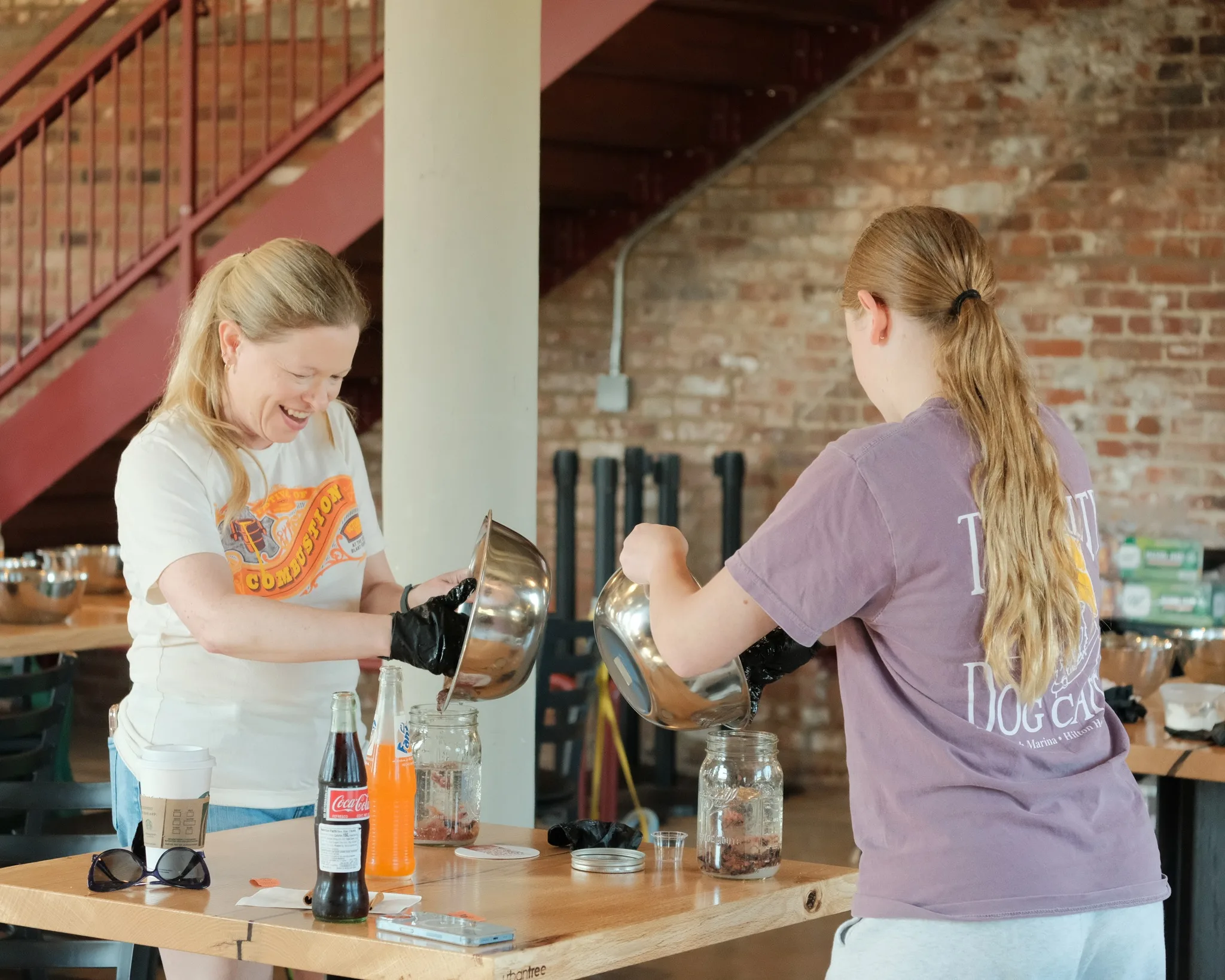
Mash the berries (about 1 cup), pour them into your jar, and add 2 Tbsp of sugar and 1 pint of water
Mash the berries (about 1 cup), pour them into your jar, and add 2 Tbsp of sugar and 1 pint of water.
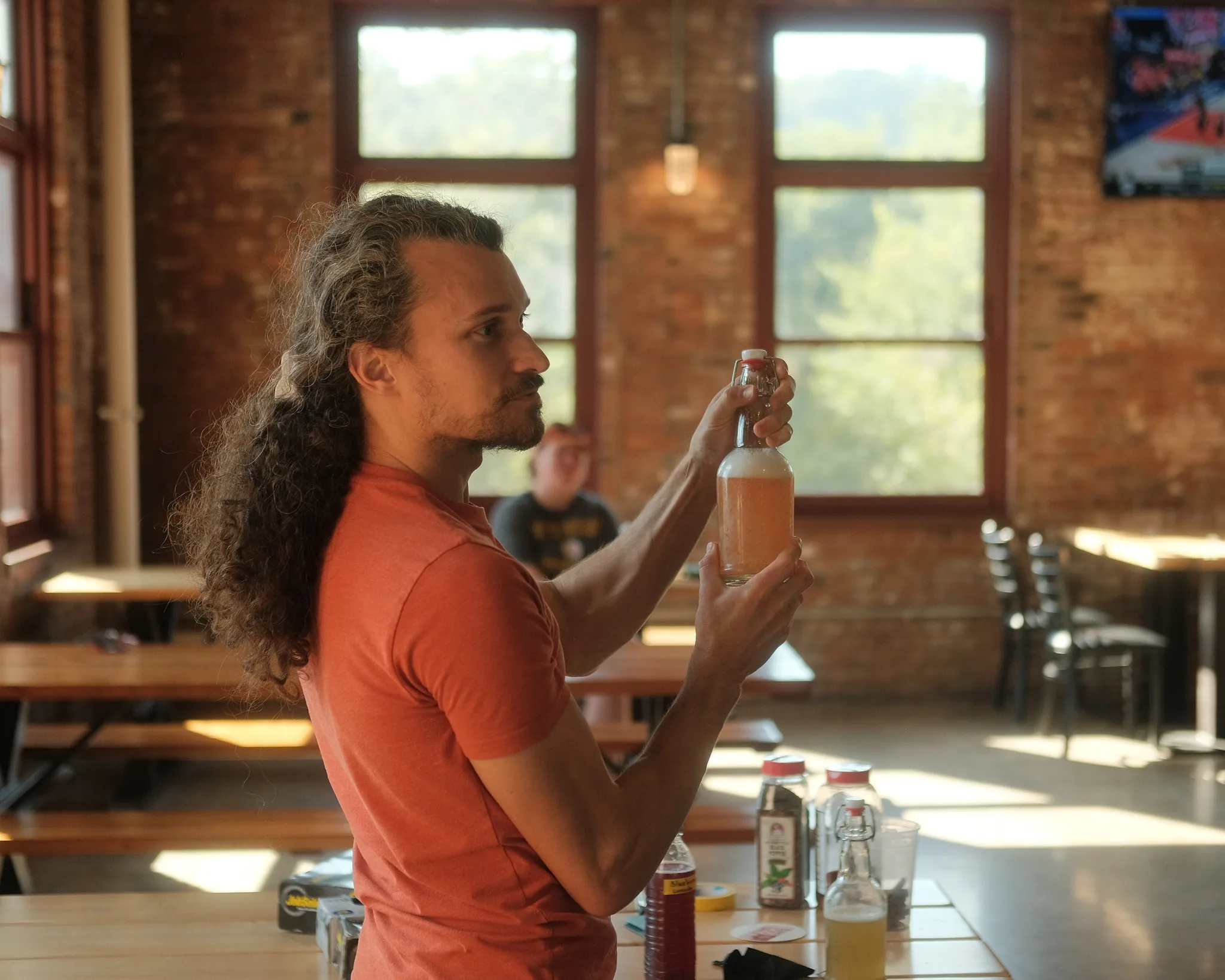
After the effervescence is achieved in the first step of the process, the liquid is strained into a carbonation bottle
After the effervescence is achieved in the first step of the process, the liquid is strained into a carbonation bottle.

Student will take home the sweety blueberry mixture, and shake twice daily until it’s nice and effervescent (generally about 3-7 days)
Student will take home the sweety blueberry mixture, and shake twice daily until it’s nice and effervescent (generally about 3-7 days).
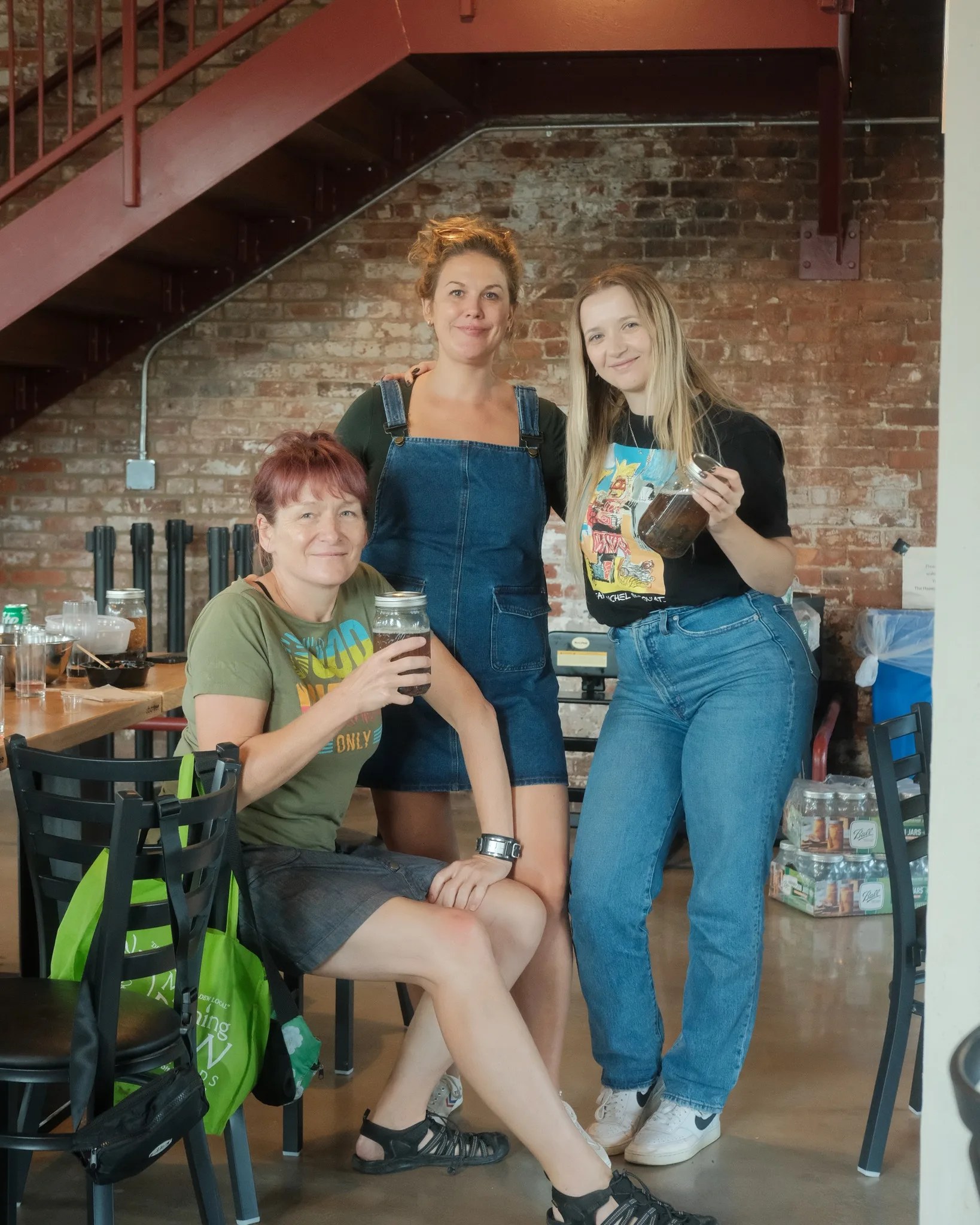
Hazelwood Local students are ready to go home and start turning everything in their kitchen into a fermented soda
Students are ready to go home and start turning everything in their kitchen into a fermented soda!
Credit to HANKISDOPE for the photos.
Learn more about Community Kitchen Pittsburgh and Hazelwood Brew House by visiting their websites.